

 Insulation products
 Thermal insulation products
 Waterproofing products

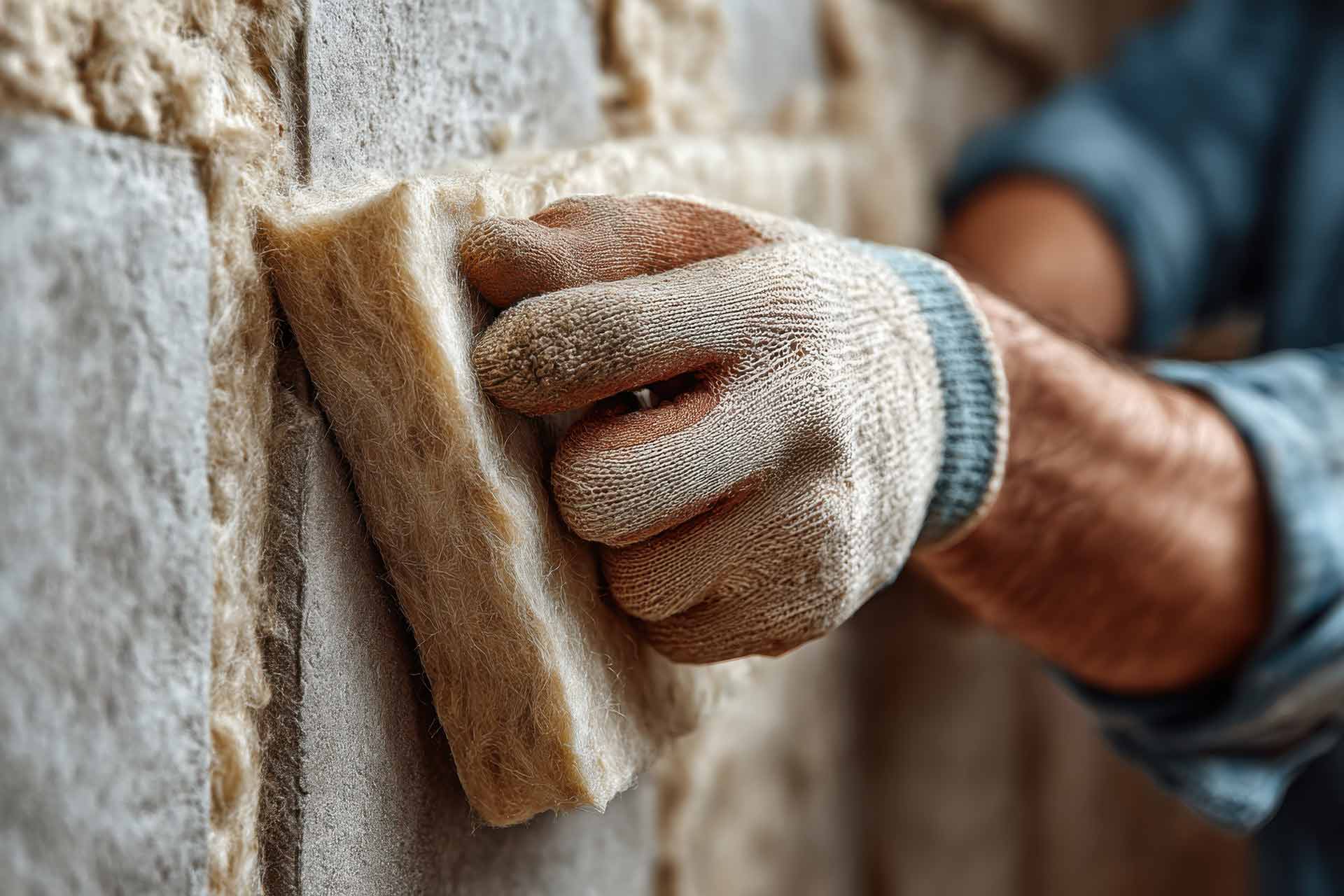
Thermal insulation
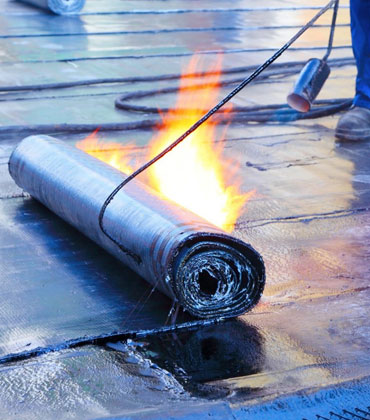
Damp proofing
Variety of insulation products Mazand Pars
Types of insulation products
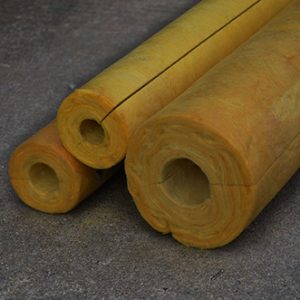
Insulation products
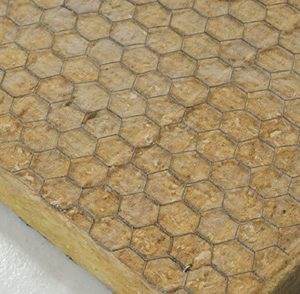
Insulation products

Insulation products
Insulation products

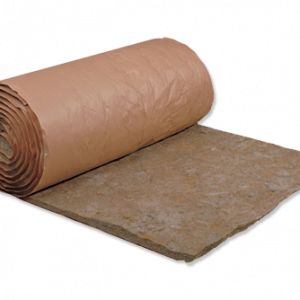
Fibreglass

Fibreglass

Insulation products

Insulation products

Insulation products

Bitumen roofing
Properties of various types of moisture insulation
What is roofing felt?
Bitumen roofing is a durable covering of bitumen and synthetic fibres that is heat-applied to the roof substrate and does not prevent water and moisture from penetrating the underlying structure.
The average lifespan of roofing felt is 10 years.
Isogam is a phenomenon aimed at securing structures against moisture and dampness caused by snowfall and rainfall.
Every structure exposed to moisture from snow and rain experiences dampness and moisture ingress. To prevent this, bitumen and hessian were used, but their weaknesses were numerous and troublesome. To address some of these shortcomings, reduce the stages of heating the bitumen and eliminate the need for high-quality hessian, Isogam entered the field of production.
This product is far superior to previous methods and carries fewer risks during application. Moreover, thanks to the thin covering it has, the bitumen does not stick to people's shoes when they walk over it. Its aluminium coating also allows the structure to absorb less heat, although it itself becomes extremely hot.
Bitumen roofing is divided into two types based on its main constituent material:
1. Polymeric roofing felt using pure bitumen 70-60
The main component in this type of roofing felt is pure 70-60 bitumen, and it is of very high quality compared with blown roofing felt.
Pure 70–60 bitumen is obtained from the refining of crude oil. By heating crude oil, petrol, petroleum solvents, kerosene, gas oil and other light oils are separated in the refinery's distillation towers, and at temperatures above approximately 380 °C (at normal pressure) the bitumen remains, appearing as a solid or semi-solid.
Pure bitumens are named according to their penetration grade. Bitumen 60/70 is used in roof waterproofing.
Materials required for the manufacture of polymeric roofing felt
1. Pure bitumen 70-60
2. Polyester, tissue
3. Aluminium layer 14 to 16 microns
4. Plastic behind the bitumen roofing layer
5. Talcum powder
6. Grade 1 and 2 APP materials
7. Plastic hessian chippings
To produce this type of roofing felt, pure bitumen 70–60 and other raw materials are fed into a polymer mixer. In the mixer, the aforementioned materials are mixed and cooked. The mixer's output is a liquid known as polymerised bitumen. The polymerised bitumen is then converted into a roofing felt layer in the production line.
2. Blown-in insulation using fuel oil-mazut
The main component in this type of roofing felt is blown bitumen, and it is of lower quality and shorter lifespan compared to polymer roofing felt.
Fumed bitumen:
Furnace oil is produced by blowing hot air into fuel oil. In this process, hot air at a temperature of 200 to 300 degrees Celsius is blown through perforated pipes into the chamber containing the fuel oil. As a result of this process, the hydrogen atoms in the hydrocarbon molecules combine with oxygen from the air, and polymerisation occurs, forming water.
Blown bitumen has a lower penetration grade, greater softness and lower sensitivity to temperature changes than pure bitumen. This type of bitumen is mainly used in the manufacture of roofing sheets, car batteries and plastering. The abbreviation for blown bitumen is R. For example, 80/25 R bitumen means blown bitumen with a softness grade of 80 and a penetration grade of 25.
Indications for use:
- Roofs
- Iranite
- Building foundation
- Swimming pools
- Water tanks
- Tunnels
- Irrigation canals
- Toilets
- Cold stores
- Dams
- Skyways
- Airport runway
- Multi-storey car parks
- Poultry farms
- Water, gas and oil pipes
- Farms and so on

The superior features of the roofing membrane are as follows:
It is approved by the National Standard and Industrial Research Institute and is marketed with the B.P.P. standard mark.
2- It is a complete roof insulation by itself.
3- Its lightweight prevents placing additional load on the roof, thereby reducing loss of life and property damage from potential hazards such as earthquakes.
4- No need for snow clearance.
5- It is resistant to cold and heat and, thanks to the use of polymer-modified bitumen, does not suffer from decay or brittleness.
6- Its application does not lead to air pollution.
7- It is quick and easy to install.
8- Resistant to acids and the penetration of toxic gases and the sun's U.V. rays.
9- Ability to repair and restore under any conditions.
Technical specifications:
| Specifications | Parameters |
| Roll size | 10 by 1 metre |
| Layer thickness | four millimetres |
| Minimum mass per square metre | 4.2 kg |
| Complex polyester | 160 |
| carrier | |
| Softening point | 150°C |
| Influence | 20-30 |
| Tensile strength | |
| Longitudinal | 900 |
| Transverse | 600 |
| Percentage increase in length at breakage | |
| Longitudinal | 50 |
| Transverse | 50 |
| Resistance | |
| Longitudinal | 200 |
| Transverse | 220 |
| Flexibility temperature | -5 |
ISO Shingle:
Shingle
It is one of the most common and widely used roofing materials for pitched roofs. The product's widespread adoption is due to its numerous advantages over other options. Some of these benefits include ease of maintenance, low weight, installation, aesthetic appeal, and cost-effectiveness. We will examine these below. Shingles are a type of pitched roof covering available in four styles (stepped, arched, triple-lap, and grasshopper), comprising a durable hydrocarbon material (oxidised asphalt) with a tissue layer for UV resistance and a silica layer for increased flexural strength. They are coated with coloured natural stone granules, which are used to create a distinctive and attractive appearance.

Types of shingles
Standard Shingle (Classic 3-Tab)
Crescent Asphalt Roofing
Hexagonal (honeycomb) shingles
Laminated shingles
Iso-Shingle
Iso-shingle is a type of self-adhesive (tape-backed) shingle. The bituminous self-adhesive strip enables the shingles' sheets to be bonded together, and the adhesive section is protected by a film-like protective layer, such as polyethylene.
IsoShingle is easily installed and connected, even in very cold weather, and moreover, it will not detach at all in strong winds.
Iso Shingle Badu is manufactured and supplied in the Nova and Traditional designs.
Cambridge is a type of thick, double-layer shingle.
The artistically beautiful colour, depth, dimensions and scale-like texture evoke a fascinating natural sensation in the viewer.
Cambridge ISO shingles are easy to install, thanks to the waterproof connection tape on the back of each sheet.
ISO Shingle is a shingle-type roofing material manufactured with a fibreglass layer reinforced and saturated with a high-quality bitumen, and covered with mineral granules (slates) in a variety of colours.
This product is ideal for pitched roofs with a slope of 30° or greater, and is also suitable for covering lower-sloped roofs and vertical walls.
Numerous benefits
With its overlapping (scaly) layers and very attractive colours, it has extraordinary beauty.
Its application and installation are very easy and quick.
It is completely waterproof and, thanks to its flexible, scale-like structure, highly resistant to significant temperature fluctuations and will not crack under any circumstances. .
It is safe to walk on and poses no problems. No ancillary products are required to execute all roof details, such as ridges, valleys, and chimney flashings, allowing for a seamless, single-product roof.The IsoShingle system offers excellent advantages and numerous benefits, such as providing reliable waterproofing, being resistant to all weather conditions, and offering a lightweight and aesthetically pleasing roof. It is also easy to apply and install, making it suitable for covering any roof with a wide variety of shapes and forms. Isoshingle(S) and Isoshingle are manufactured and tested in accordance with EN544, the European Union standard. Their technical specifications and performance under various climatic conditions have been certified by accredited European institutions as compliant with Class 1 of this standard.
Cambridge ISO shingles are manufactured and supplied in accordance with the following American standards: ASTM-D3462, ASTM-D3018, ASTM-D3161 and ASTM-E108.
Maintenance:
One of the most important advantages of shingles is their long lifespan and ease of maintenance. Many roofing materials require constant care and upkeep to preserve their appearance. However, shingles need no special maintenance and, with minimal care, will always look attractive. They can also be easily repaired if any damage occurs.
Installation:
Another advantage of shingles is their ease of installation. In fact, shingles are the simplest product to install. However, some shingle designs require specialised tools and must be installed by professionals. Shingles are a flexible and durable product that is compatible with most roof designs.
Appearance:
The aesthetic appeal of shingles is one of the advantages of this type of roofing. These products are available in a variety of designs and colours, so you will have no trouble coordinating them with the building's other components. Typically, the appearance of shingles resembles that of other expensive natural materials such as cedar, wood or stone.
Cost:
The main advantage of shingle roofs is their affordability. Shingles are manufactured in large volumes and, naturally, carry favourable production costs. Their installation cost is also more competitive compared with other roofing materials. Moreover, being lightweight, these roofs won't place a heavy burden on your wallet.
Weight:
The ultimate advantage of shingles is their weight. Many roofing materials are heavy, which may not be suitable for your building's structure. Although shingles themselves may not be the lightest roofing product, shingle-covered roofs are among the lightest roofing systems and are compatible with most roofs.
For the proper installation of shingles, a uniform, dry, smooth and clean substrate is required. This substrate must be made from nailable materials such as timber, cement tiles or similar.
What is emulsion bitumen?
An emulsion is a mixture of two immiscible liquids in which one of the liquids is suspended in fine particles within the other. The suspended liquid is called the internal or discontinuous phase, and the other liquid is called the external or continuous phase.
Emulsions are classified, according to the type of dispersed phase, into water-in-oil and oil-in-water. In emulsions, various methods can be used to determine which phase is continuous and which is discontinuous.
Bituminous emulsions
Bitumen emulsion is a type of oil-in-water emulsion. The bitumen particles in this mixture are suspended charged droplets in a solution of water and other components.
The diameter of the bitumen particles is usually in the range of 0.001 to 0.002 millimetres.
Components of bitumen emulsions:
- Bitumen
- Solvent
- Water
- Emulsifier
- acid
- Stabiliser
- polymer
Bitumen, water and an emulsifier are the main components of bitumen emulsions. In some cases, the aqueous phase of the bitumen emulsion may also contain a stabiliser. Research into the three main components of bitumen emulsions—namely bitumen, water and the emulsifier—is essential for understanding the performance of bitumen emulsions.
The classification of bituminous emulsions is based on the following criteria:
1- The ionic structure (the sign of the particle's electric charge)
2- Stability in contact with stone materials: highly weathering (unstable), moderately weathering (semi-stable), slowly weathering (stable and very stable)
Why emulsion?
At ambient temperature, the bitumen is in a solid or semi-solid state and does not provide the necessary performance. .
It was made usable in the following three ways, which are:
1 - Heating the bitumen
2-Mixing bitumen with petroleum solvents (soluble bitumen)
3-Mixing bitumen with water to form a bituminous emulsion
The first method is usually used for high-volume jobs. The second method is now expensive because it causes the waste of petroleum solvents, environmental pollution and the release of hydrocarbons, especially in urban areas, and entails fire-related hazards. Furthermore, work under these conditions must be carried out in favourable weather and with dry, non-damp stone masonry.
Bitumen emulsions must have specific properties depending on their intended use. For example, the specifications for a bitumen emulsion used to create an adhesive layer between two asphalt layers differ from those for an emulsion used in the production of cold asphalt mix.
Meanwhile, in line with the policies of the Islamic Republic under the Third and Fourth Development Plans concerning environmental indicators, the use of asphalt emulsion was introduced in Iran and gradually replaced petroleum-solvent-based solution asphalt. (such as MC250), which have detrimental environmental effects and impose a significant financial burden on the country through the importation of white spirit.
It is worth noting that this scheme has been a priority for the Ministry of Transport and Road, and the product's usage guidelines have been drafted and issued by the National Management and Planning Organisation and the Bitumen and Asphalt Institute.
On the one hand, the high cost of establishing and maintaining hot-mix asphalt plants and their environmental harms, and on the other hand the limitations on distributing and transporting hot-mix asphalt, are among the main factors that will, in the very near future, make the production and use of hot-mix asphalt illegal worldwide.
At present, the use of emulsion bitumen (bitumen with a non-petroleum-based solvent) and cold-mix asphalt is being considered for replacement.

Nowadays, several important factors concerning the quality of asphalt are examined.
- Power and ability to carry over long distances.
- The ability to use asphalt in thin layers.
- The speed of asphalt paving, especially in large cities and residential complexes, where the execution of projects faces numerous obstacles.
- A reasonable and affordable final price.
- No conflict with environmental and human health indicators.
- The speed of setting up the parent factory and the ability to support the executive workshops.
- The simplicity of the required machinery and its ease of use.
- Suitable for all types of asphalt and pavement (streets – motorways – airport runways)
Nowadays, the trend of replacing the hot-mix asphalt system with emulsion methods has become the focus of activity in many countries and is set to be completely replaced by hot-mix asphalt within this decade.
The use of bitumen emulsions for the construction and maintenance of roads dates back to 1920, and from 1953, bitumen emulsions found widespread application in the construction of motorways, highways, primary, secondary and rural roads by the cold-asphalt method, various types of protective asphalt, surface dressing, use in patching, road maintenance and rehabilitation, etc. Bitumen emulsions have numerous advantages, such as:
- More safety
- Cost savings
- Versatility
- Energy saving
- and the reduction of environmental pollution
- They can be used on wet surfaces.
Bitumen emulsions leave a thin film of bitumen on stone aggregates or pavement surfaces without losing tack.
Properties of the emulsion
Defeat
The emulsion must remain stable during storage and transport, but break rapidly when used. This quality is easily achieved with cationic emulsions, as they chemically react with and break down on contact with most granular aggregates.
In most cases, granular aggregates carry a negative charge, and for this reason positively charged emulsifiers are electrostatically attracted to the aggregates, causing the emulsion to break. Moreover, at this stage the emulsifiers act as a bonding agent.
The failure process can be controlled by selecting the emulsifier and regulating the emulsifier's content. Other factors that affect failure include temperature, humidity and the type of bitumen.
An anionic emulsion does not break down chemically. Water evaporates, causing the emulsion to break down, which is a much slower process with very weak adhesion.
In general, the factors that influence the process of bitumen emulsion breakdown can be classified as follows:
– The rate of water absorption of the bitumen emulsion by the aggregates (porous aggregates or aggregates with a coarse, rough texture accelerate the failure process by absorbing the bitumen emulsion water).
– Percentage of moisture in the stone aggregate before mixing the aggregate and the bitumen emulsion.
– Atmospheric conditions including ambient temperature, relative humidity and wind speed.
– Mechanical forces arising from rolling and traffic. Roller pressure up to a certain amount causes water to be expelled from the material.
– The particle size distribution of the stone aggregate and the type of minerals that constitute it (Asphalt emulsion mixtures with a fine particle size distribution have a higher specific surface area than coarse-grained aggregates and therefore break down sooner. The type of minerals comprising the aggregates also affects the rate of asphaltene emulsion breakdown, owing to the potential for chemical reactions between the emulsifier and the aggregate surface. Materials that contain an excessive amount of fine particles or have a clayey coating.
Properties of various types of thermal insulation
What is fibreglass?
Glass wool is considered a natural material that, through physical modifications applied to molten glass, is converted into fibres and used as glass wool.
This product does not contain asbestos.
Glass wool is a type of thermal insulation that can be beneficial for products requiring thermal insulation. The use of glass wool in the manufacture of materials can impart corrosion-resistant properties; for this reason, it is used in the production of fibreglass sheets. These characteristics have led to the highest consumption of glass wool and fibreglass in Iran being in the manufacture of industrial components and sheet production.
In any case, fibreglass is one of the oldest and most widely used thermal insulators, which is cost-effective and is still used in the 21st century and is very practical.

Fibreglass thermal insulation
Glass wool is a fibre-based thermal insulation material with a low thermal conductivity coefficient. It offers high resistance to heat transfer and can be used to prevent, as far as possible, heat loss from heated spaces or from hot-water pipes, ducts and the like, thereby reducing fuel consumption.
Non-combustible glass wool thermal insulation is odourless, moisture-resistant and prevents the growth of mould and mildew. It is available in three forms: rolls, panels or boards, and tubular form.
Estimates indicate that using 4 inches of glass wool thermal insulation is equivalent to 3 metres of cement in reducing energy consumption, preventing heat loss within the building, and also reducing noise ingress.
Estimates suggest that using 4 inches of glass wool thermal insulation is equivalent to 3 metres of cement in reducing energy consumption, preventing heat loss within the building, and also reducing noise ingress. Thermal insulation with glass wool can save up to 40 per cent in energy consumption and also prevent the ingress of unwanted noise into the building.As heat is a form of energy, reducing and slowing the rate of heat transfer through surfaces insulated with glass wool means less energy is required to heat the space in winter and cool it in summer. The higher the thermal resistance, the better the quality of the insulation.The thermal resistance of fibreglass insulation is directly proportional to its thickness and inversely proportional to its thermal conductance. .
For insulating pipes, the insulation materials used must, in addition to a low conductance coefficient, be capable of withstanding and deforming under high or low temperatures, and must also resist vibration and shock without losing their insulating properties over time. Glass wool is a suitable thermal insulator for pipes with these characteristics.
Pipes within ducts must be insulated with glass wool and aluminium foam. Exposed and concealed ducts must be insulated with glass wool reinforced with galvanised wire.
Overall, fibreglass is regarded as the most important thermal insulation and the most cost-effective, and its use is essential for greater efficiency.
Benefits of fibreglass
One of the key advantages of glass wool is its thermal resistance. In general, mineral wools have the highest fire performance ratings.The use of phenolic resin as a polymeric binder in the manufacture of fibreglass has limited this insulation's application to 300 °C, whereas the resin-free type has a heat resistance of up to 600 °C. Fibreglass is classified as an A1 incombustible (non-combustible) material among building materials and products.
Glass wool is considered a cheap and effective insulator, used for thermal and acoustic insulation in various industries such as buildings, power stations, petrochemicals, and household appliances. One of the advantages of glass wool is its very long lifespan, as it is resistant to environmental and external factors due to its primary material, glass. Glass wool does not weather at all, and its fibres do not powder or shed. This is because no raw materials such as salt or stone are used in the glass wool manufacturing process.
Another important advantage of glass wool is its fine, long fibrous network. Its fineness can reach 5 microns. This capability makes it possible to retain air between the glass fibres at various densities. This range includes densities from 10 to 110 kilograms per cubic metre. This has resulted in the optimum thermal conductivity of fibreglass, achieved at a density of 50 kg/m³, being the lowest for any mineral wool. This level of conductivity is attained by other mineral wools at a density of 80 kg/m³.Other mineral wools cannot be produced as long, fine fibres, which is why it is impossible to harvest them at low densities.
Glass wool fibres have sound-absorbing properties and perform well compared with other fibre insulation materials. The growth of plants, microbes, fungi and bacteria is not possible in glass wool.
Under heavy loads and compression up to a specified limit, fibreglass does not suffer physical degradation due to its unique fibre network and retains its properties.
Thermal insulation:
Glass wool is a resistant insulator against heat flow. Heat and warmth are forms of energy. By reducing and slowing the rate of heat transfer in surfaces where this insulation is used, less energy will be required to heat the space in winter and cool it in summer. The higher the thermal resistance (R-value), the better the quality of the insulation. The thermal resistance of fibreglass insulation is directly proportional to its thickness and inversely proportional to its thermal conductance. .
Sound insulation:
Glass wool is highly resistant to sound transmission; for example, a 100 mm-thick glass wool can increase the Sound Transmission Class (STC) rating by between 4 and 12 points. .
The use of glass wool in the side walls, ceiling and floor of rooms controls the penetration of intrusive noise and has a beneficial effect on relaxation, rest, sleep and, ultimately, quality of life. .
Resistance to fire:
Glass wool is non-combustible and highly resistant to flame, preventing the spread of fire. Moreover, the amount of smoke it emits is very limited and low. .
Resistance to moisture and water absorption:
The moisture absorption in glass wool insulation is very low and negligible. For example, if the relative humidity of the ambient air is 95%, the moisture absorption at atmospheric pressure will be less than 0.5% by volume of the glass wool. Furthermore, when in contact with water, the glass wool product behaves in contrast to capillaries, repelling water. .
Raw materials and the production process of fibreglass
The raw materials for glass, including silica, dolomite, feldspar, sodium carbonate and so on, are melted in the production process and, under the influence of centrifugal force, flame and compressed air, are spun into extremely fine fibres about 5 microns in diameter, forming fibreglass wool.
To prevent the fibres from becoming dispersed and to enable the product to be shaped to different thicknesses, a adhesive comprising thermosetting resins is sprayed onto the fibres.
To stabilise the bond between the manufactured fibres, the resin sprayed onto the raw product is polymerised during a curing process in a thermal tunnel, enabling the production of products with thicknesses ranging from 10 to 250 millimetres.
If the raw material in the baking tunnel is subjected to pressure, the bulk density of the final product will increase and its mechanical strength will rise. This process yields piece-goods (board-like) products that differ from roll-goods (sheet-like) in terms of stiffness and mechanical resistance.
As the pressure on the raw material increases during polymerisation, its bulk density rises, enhancing its hardness and mechanical strength. For example, products with a density of 100 or 115 kilograms per cubic metre (kg/m³) will become completely rigid, board-like.
All of Mazand Pars Company's roll and board products are manufactured and supplied to the market, available with or without paper veneer, according to customer demand. .
The use of fibreglass in construction
Building insulation plays a crucial role in maintaining the building's temperature during summer and winter. With proper insulation, energy consumption can be reduced by up to 40 per cent, helping to protect the environment and conserve natural resources.
Insulating a building reduces energy costs and, as a result, provides economic savings.
The most important factor in selecting a suitable insulation for a building is its thermal resistance. An insulation that transmits less heat is far more cost-effective. Therefore, rather than comparing the thicknesses of different insulations, it is more technical to assess their thermal resistance and choose the insulation accordingly.
Thermal insulators with the same resistance do not differ in their energy-saving efficiency; their only differences are in price and application.
A building with insulated floors, ceilings and walls is far more resistant to fire and collapse than buildings that are not insulated.
Glass wool and rock wool are two highly efficient thermal insulators for insulating buildings and, in addition to providing insulation, they offer other benefits to the building.
The use of glass wool in industry
Fibreglass products do not undergo significant dimensional changes at high temperatures; moreover, as a mineral (non-chemical) insulator, they are also used up to 500 °C. A thin layer of the resin content may be lost when exposed to temperatures above 250°C; however, this phenomenon has no effect whatsoever on the product's thermal properties or mechanical strength.
Other properties of fibreglass
In addition to their mineral (non-flammable) insulating properties, glass wool products are able to dissipate sound energy due to their unique structure, making them suitable for use as a soundproofing insulation. In addition to its acoustic properties, glass wool is also resistant to flames. Therefore, its non-flammable nature, being a mineral product, places it in a special position compared to other insulation materials, both natural wools and chemical-based ones.
Safety and Health
The International Agency for Research on Cancer, which is part of the World Health Organisation (WHO) is the body that examines various substances for the role they may play in the development of human cancer and, based on the extensive research of this agency, the substances available to humankind have been divided into five groups: 1, 2, A3, B3 and 4. As can be seen, glass wool is classified in this grouping as ”Not classifiable as to carcinogenicity to humans” in Group B3 (fourth), and is thus placed in the same category as tea and caffeine.
Another noteworthy point in this same classification is that asbestos (rock wool) is in Group 1 and is explicitly recognised as carcinogenic. It should be reiterated that glass fibres and glass wool are produced by melting glass raw materials in a furnace and forming them into glass fibres, and these two types of fibres (glass and asbestos) have no connection with each other. It is for this reason that the use of asbestos has been banned in most countries worldwide, whereas mineral wools (glass, stone and slag) are currently the most widely used insulators in the world.
What type of insulation should be used?
The primary raw material for producing rock wool is diabase, or basalt, the most well-known igneous rock. This material is a remnant of volcanic activity that is found abundantly in Iran. Stone wool is denser than glass wool and has greater thermal resistance. It is also a good sound insulator. Its production, supply and installation are similar to those of glass wool, and it is highly fire-resistant.
| Type of insulation | Description | Flat roof | Sloping roof | Piloting ceiling | Brick wall | Hot water pipe | Hot water boiler | |
| A piece | Fibreglass | This material is produced by melting glass and converting it into fine fibres. These fibres are formed into rolls or panels and brought to market for use. Glass wool is fire-resistant. This insulation comes in various types and applications, and is installed in accordance with the manufacturer's instructions. Glass wool can be easily cut and installed. | ||||||
| Rock wool | The primary raw material for producing rock wool is diabase, or basalt, the most well-known igneous rock. This material is a remnant of volcanic activity that is found abundantly in Iran. Stone wool is denser than glass wool and has greater thermal resistance. It is also a good sound insulator. Its production, supply and installation are similar to those of glass wool, and it is highly fire-resistant. | |||||||
| blanket | Fibreglass or stone | The characteristics of these insulators are similar to those of the two above. The back of these insulators is usually covered with aluminium foil. | ||||||
| Panel | Moulded polystyrene | These are rigid boards made from fine polystyrene beads. They trap air within their structure and prevent water from passing through. These insulators have high thermal resistance, take up little space, and can be easily cut and installed. Polystyrene is flammable, so it must be installed between walls or non-combustible insulation materials such as brick, plaster and aluminium foil. Extruded polystyrene has higher strength than the expanded type. | ||||||
| Expanded polystyrene | It is semi-rigid in nature and consists of fine polystyrene beads. Moisture penetrates it easily. This insulation material ignites readily, so it must be covered on both sides with fire-resistant materials. In some countries, these panels are also supplied with decorative finishes resembling wallpaper or plasterwork. | |||||||
| Metallised expanded polystyrene | It is the same expanded polystyrene, but clad on both sides with aluminium foil. The properties of this insulation are like those of expanded polystyrene, with the difference that its thermal resistance has been increased due to the reflective aluminium sheets, and it has become more resistant to moisture. | |||||||
| Accumulation | Cellulose fibre | They are produced by converting waste paper into fine fibres. Flame retardants can be added to these fibres. It is difficult to use these insulators after a building has been constructed; they are more commonly employed during construction. | ||||||
| Slag | Slag is a by-product of the iron smelting industry. It is granulated and used in concrete roofs. | |||||||
| Reflector | Reflective sheet | These sheets are made of aluminium, reinforced with a layer of fibreglass, and are sold in rolls. Usually, one side of these sheets is dulled with paint to reduce its reflectivity. The sheets themselves have negligible thermal resistance. To increase this resistance, a 20 mm air gap can be created between them and the backing wall, or they can be used in conjunction with other insulators, such as glass wool. It should be noted that holes in these sheets will severely reduce their effectiveness; furthermore, their surface must be kept clean. Reflective sheets are also used to prevent vapour penetration. | ||||||
| Wavy sheets | These sheets are produced in a corrugated form and can be stretched to the required size. | |||||||
| Layered sheets | To produce these sheets, several layers of coated aluminium foil are placed on top of one another and bonded together in such a way that air pockets are created between them. The presence of holes in these sheets severely reduces their effectiveness. To insulate a building in winter, two or three layers of these sheets are usually required. The infiltration of dust and dirt into this insulation can reduce its thermal resistance. | |||||||
| Building materials | Lightened concrete | These concretes are used to produce lightweight blocks. The air cavities they create within the concrete turn it into a thermal and acoustic insulator, so there is no need for separate insulation. Moreover, these blocks are easy to handle and non-flammable. | ||||||
| Expanded polystyrene with concrete | In this method, hollow polystyrene blocks are filled with concrete, or concrete is sprayed onto them from the outside. | |||||||
| Prefabricated panels | These materials are made from a variety of substances and are offered on the market in the form of mosaics or tiles. Their characteristics vary greatly depending on the type of product. |
What is rock wool?
Rock wool, known in English as rock wool, is a member of the family of thermal insulation materials made up of mineral fibres; for this reason it is sometimes also referred to as mineral wool.
The main raw material for producing this insulation, basalt rock, is an igneous rock formed from volcanic activity and is abundant in our country.
Rock wool insulation products play a significant (and eye-catching) role in energy saving by reducing energy consumption in homes, office and commercial buildings, and manufacturing plants. Proper insulation helps to ensure that far less energy is used in our homes and workplaces.
Insulating to save energy also helps the environment. Rock wool insulation prevents more carbon dioxide from being emitted than heating and cooling plants for buildings by reducing the energy required to heat or cool homes and commercial buildings.

General properties of rock wool insulation
The most important property of rock wool is its remarkable resistance to fire. Rock wool does not ignite, so it can be used as a fire barrier. In most countries, special discounts are offered on insurance for buildings insulated with rock wool. .
Rock wool is an unsuitable environment for the growth of pests, fungi, bacteria and vermin, and as a non-organic material, it is immune to these organisms.
Among the various types of insulation that have been developed worldwide to date, rock wool is the safest and is completely environmentally friendly.
Unlike other insulators in this group, rock wool does not harm the skin or cause a burning sensation. It is also compatible with all materials used in construction and industry, and contact with these materials causes no problems.
Benefits of rock wool
Rock wool can be produced in the country as a material with specified and standard characteristics.
– It is not broken down by other chemicals or microorganisms.
– The roots are well aerated in it.
– By maintaining sufficient moisture, the plants are less affected by temporary drought.
– Rock wool is a lightweight, sterile material, free from contaminants.
Fire performance
Fire resistance is another important characteristic of rock wool insulation. Rock wool is recognised as a form of fire protection because it is non-flammable and will not ignite. During a fire, metal structures lose their mechanical strength as a result of absorbing high heat and becoming hot, which causes the entire structure to collapse. Therefore, stone wool insulation is used to insulate metal structures, particularly the columns and beams of a building, using appropriate methods. In this way, the structure remains undamaged even if the fire continues for up to ten hours.
Acoustic properties
Stone wool insulation, by reducing sound transmission and absorbing sound, also has acoustic properties. Stone wool insulation is highly effective at absorbing and reducing sound; for this reason, it is used in airports, recording studios, under railway tracks and in urban metro stations to prevent the transmission of vibrations and noise. Tests show that by designing and installing the insulation, noise can be reduced to the desired level. Furthermore, placing an appropriate air gap behind the sound insulation significantly increases its absorption coefficient.
Moisture removal
The thermal conductivity of mineral wool fibres is significantly dependent on their water uptake. In the presence of moisture, the thermal conductivity increases due to the conductive properties of water. Wet insulation leads to corrosion.To prevent water ingress into the fibres, hydrophobic methods are employed. A hydrophobic oil coats the fibres and prevents water from penetrating the insulation and equipment. Special coatings are used to prevent the insulation from absorbing ambient moisture.
Acoustic properties
Rock wool insulation helps reduce noise in two ways: by reducing sound transmission between the structure's components or by absorbing sound at the surface.
– Sound transmission loss is the reduction in acoustic energy when passing through a wall, floor, roof, etc., which is ultimately a property of the physical medium. Sound may be generated by air vibration or by mechanical impact, each of which must be considered in its own right.
– Sound absorption is the reduction of acoustic energy when sound is reflected from a surface. The sound absorption coefficient is expressed as a number between zero and one. If a surface absorbs no sound, the coefficient is zero. If 100% of the sound is absorbed, the coefficient is one.
Rock wool insulation has a high efficiency in absorbing and reducing sound; for this reason, it is used in airports, recording studios, under railway tracks, and in urban metro stations to prevent the transmission of vibrations and noise. Tests show that by designing and installing the insulation, noise can be reduced to the desired level. The amount of acoustic energy attenuation when passing through a material increases with its thickness. Placing a suitable air gap behind the sound insulation significantly increases its attenuation coefficient.
Maximum operating temperature
The temperature at which the insulation is used must correspond to the temperature specified in the insulation's technical specifications, known as the maximum operating temperature. The maximum operating temperature of rock wool fibres is approximately 850 °C. .
Biological considerations
Biologically, rock wool is not a suitable environment for the growth of pests, fungi, bacteria or vermin, and as an inorganic material it is immune to these organisms.
Compression strength
One of the features of سپاهan stone wool insulation is its resistance to any potential pressure. Compressive strength, parallel-plane tensile strength and concentrated load are measured in the laboratory using the company's standard in-house equipment, and the product is always assessed for quality.
Environmental compatibility
Among all the types of insulation ever produced worldwide, rock wool is the safest and fully environmentally friendly. It is compatible with all building materials and industrial components used in construction, and contact with these materials causes no problems. It also does not cause the softening agents used in electrical cable sheathings and PVC pipes to degrade.
Health and Safety
Unlike other insulators in this group, rock wool does not harm the skin or cause irritation, and in the event of a fire it does not emit smoke or toxic compounds.
Fibres of rock wool have been deemed harmless to human health by the World Health Organization, and even under European standards inhalation of airborne rock wool particles at up to 5 milligrams per cubic metre for eight hours a day is permitted.
Chemical analysis
Stone wool fibres are inorganic. To supply the calcium oxide required for fibre analysis, calcium oxide is charged into the furnace as limestone. The overall analysis of stone wool fibres is as follows.
Durability
Unlike some polymer foams that do not last long and gradually lose their shape and quality, rock wool neither ages nor deteriorates, retaining its properties as an effective thermal insulator for years, indeed for the entire lifespan of the building.
Why slag wool?
Slag wool is produced by melting and fibre-spinning the slag from a steelmaking blast furnace. The main developments in this process are physical, and the chemical composition of the slag as a raw material remains unchanged up to the melting stage and conversion into the finished product, apart from minor variations. .
Slag from a blast furnace, as a raw material for the production of slag wool, has a much higher purity and more desirable and uniform properties compared to basalt rock (as a raw material for the production of rock wool) or silica sand. Compared to basalt rock (the raw material for producing rock wool) or silica sand (the raw material for producing glass wool), slag wool benefits from the much higher purity and more uniform, favourable properties resulting from the chemical processes within the blast furnace. This ultimately gives slag wool superior chemical, physical, mechanical and thermal properties compared to similar products.
At the same time, the use of blast furnace slag, which is essentially an iron production waste product, and its conversion into slag wool, on the one hand increases efficiency through the valuable recycling of iron production waste and, on the other hand, reduces insulation costs. Due to its much lower silica (SiO2) content, slag wool has much higher environmental standards and, unlike similar products such as glass wool, does not cause skin or respiratory sensitisation. .

Uses of slag wool:
Generally, mineral insulation, and particularly slag wool, is used for thermal and acoustic insulation in the following industries:
- Residential facilities and buildings
- Facilities and equipment for the iron and steel and mining industries
- Oil, Gas and Petrochemical Facilities and Equipment
- Transport and automotive equipment
- Power generation facilities and equipment
- Other industries such as medical equipment, laboratory equipment, household appliances, etc. .
Physical properties
The table below shows the most important physical properties of slag wool:
| Physical properties | Features of slag wool |
| Bulk density | 30-250 kg/m 3 |
| Melting point | one thousand three hundred ۰c |
| Maximum operating temperature | seven hundred and fifty ۰c |
| Fibre diameter | 4-6 μm |
| Strength | From flexible to hard and sturdy |
| Electrical conductivity | Non-conductive (insulator) |
| Flammability | It won't ignite |
Mechanical strength
This material exhibits negligible length change at temperatures up to approximately 750–700 °C and possesses very good mechanical strength. .
| Building materials | k thermal conductivity coefficient of slag wool with temperature and density (W/m·K) |
| Polyurethane | 0.02 |
| Slag wool | 0.035 |
| Rock wool | 0.035 |
| Polystyrene | 0.04 |
| Fibreglass | 0.045 |
| Wood | 0.13 |
| Aerated concrete | 0.22 |
| Chalk | 0.50 |
| Brick | 0.65 |
| Concrete | 2.00 |
Acoustic properties
Another important property of slag wool is its sound insulation. Slag wool insulation reduces sound transmission in two ways: by attenuating transmission intensity and by absorbing sound at the surface. .
The fibre structure of slag wool, when sound energy is transmitted through the medium, absorbs the majority of the sound energy and thus reduces the intensity of sound transmission. .
Slag wool has a very favourable sound absorption coefficient of 0.8 to 0.95 across a wide frequency range. However, with proper design and application of this product in terms of the thickness and shape of the insulating layer, highly satisfactory results can be achieved in controlling and reducing sound transmission and reflection. .
Chemical composition
Slag wool, due to its lower silica (SiO2) content than rock wool and much lower than glass wool, does not pose a risk of causing the lung disease silicosis. It is non-carcinogenic and, on contact with the skin, does not cause any irritation or itching.
Picky eating
The total chlorine content in the slag wool is 3.1 ppm, which is much lower than the permissible limit of 5 ppm according to the standard. However, the low chlorine content, together with a pH of around 8.75, means that this product does not cause any corrosion in other construction materials such as steel.
The history of the difference between rock wool and slag wool
Stone and slag (ash), which are sometimes referred to as mineral wools, have been produced for centuries by the natural phenomenon of volcanic eruptions, when strong winds blowing through molten lava flows turn them into pure, silk-like fibres resembling wool. Inspired by this phenomenon, one of the most innovative and versatile insulators on the market was created. .
The difference between rock wool and slag wool
Composition of rock wool and slag wool (ash) and the production process
Both rock wool and slag wool insulation are produced from essentially the same raw materials, in varying proportions and by the same method. .
Manufacturers use a mechanical process to spin a molten mixture of stone and slag into high-temperature-resistant fibres. .
The main difference lies in the amount of raw materials used in the production of each product. .
Rock wool insulation is primarily composed of fibres produced from a blend of aluminosilicate rocks (typically basalt), blast-furnace slag, limestone or dolomite. .
Slag is a by-product of the steelworks that serves as industrial waste. A binder (resin) may be used depending on the product. Typically, rock wool insulation consists of at least 70–75 per cent natural stone. The remainder of the volume is iron-smelting furnace slag. Slag wool insulation is primarily made from the melt of primary fibre components, blast furnace slag, combined with some natural stone, with or without resin, depending on the product. Typically, slag wool insulation consists of around 70 per cent blast furnace slag, with the remainder made up of natural stone. .
The advantages of rock wool and slag wool
Rock wool and slag offer a wide range of benefits for designers and builders who are keen to use environmentally friendly materials with proven performance. .
- Thermal performance
- Fire retardant
- Sound absorption
- Resistant moulds, fungi, and bacteria
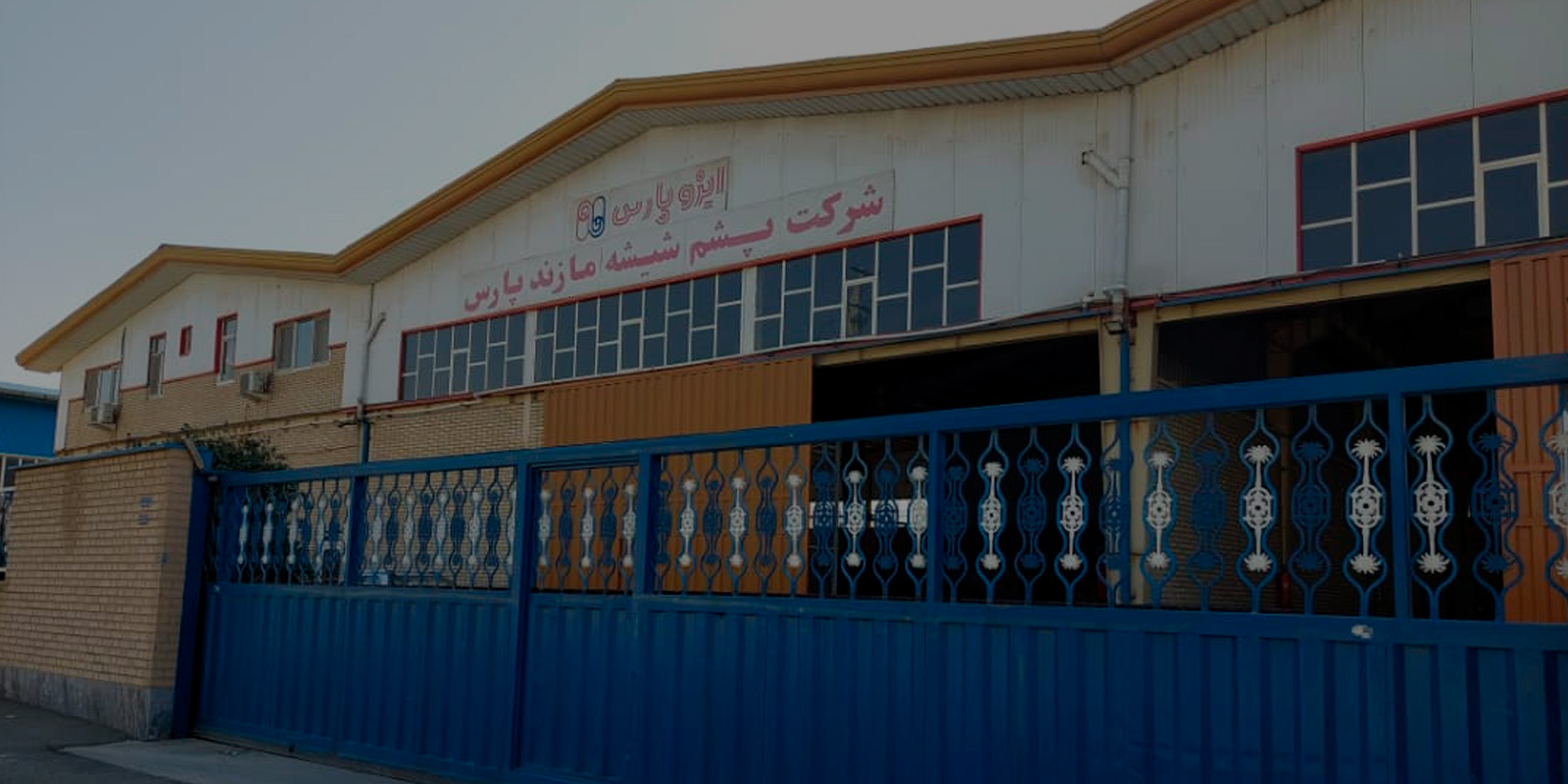
Insulation products production line
Mazand Pars Glass Wool
Variety of insulation products Mazand Pars
Over four decades of a brilliant track record Mazand Pars
The activities of Mazand Pars's managers in implementing thermal, refrigeration and acoustic insulation projects began in the 1980s, and from 1995 they continued under the name «Mazand Pars Glass Wool Company.» From the very outset, the company's focus was on Trade and supply of insulation products was and, by obtaining agency from reputable manufacturers, a complete range of Fibreglass, rock wool, roofing felt and Provided customers with other insulation materials.
Subscribe to the newsletter
Insulation Industry News Update